- Set a time, and stay focused until it rings, so that you can take a short break.
- Set the timer during a break, to make sure you don't start browsing the web for the rest of the night. (Admit it, we've all done it)
Sunday, January 31, 2016
Tech Tip: Google Timer
If you do not know what the google timer is, here is a link that explains it: Google Timer. It's not a tool I was aware of, nor is it one I've used, but I am not at all surprised it exists. There are two functions it can server while doing homework

Week 2 Reading Diary, extra: Aesop (Winter)
Reading Notes from Section A in Aesop (Winter)
Aesop (Winter): Page 1
 |
| Wikipedia - Crow |
- It seems that this reading includes many short, sweet, and standalone tales.
- The kid now knows better than to wonder alone, and the wolf should eat his meals as soon as he find them.
- Poor fox, the fox is supposed to be the tricky and clever one who outsmarts other animals. I was rooting for the fox in this story. Interesting choice to let the fox get outsmarted.
- Many children's tales have morals embedded in them, the the Boy and the Filberts in no exception.
- The goat presents an interesting way to teach us not to be too prideful and stubborn.
- The Plane Tree has been one of my favorites so far. People tend to take things for granted, the trees should all complain at us until we all learn our lessons :)
- These are clearly children's stories. The writing style for children's stories is very different. The vocabulary is simpler, and the morals are very obvious, sometimes painfully so. I should not be judging the stories equally to stories that I normally read, I have to keep my audience in mind.
- I liked the Travelers Purse story, it's really cute.
- Don't judge your size by your shadow.
- Some of these stories, such as The Ass Carrying the Image don't seem very interesting to me. They are very short and obvious. I am OK with the simple style of writing, but unless there is something clever about the story, it won't catch my attention.
- Neither goat wants to yield, but if both goats were to yield and neither take the path, they would run into the same problem. Just something amusing to think about.
- Different animals have different traits and characteristics. This story includes some interesting ways letting animals tell morals. I would not expect a Boar to teach us about being prepared.
- I enjoy tales such as The Lion, the Bear, and the Fox, where the fox outsmarts the other animals.
- The same animals seem to appear over and over again in fables.
- "Take what you can get when you can get it" is an interesting moral to teach kids. In my opinion, "Do not depend on the promises of those whose interest it is to deceive you." is the more fitting of the two morals.
- Many of these stories have a common theme. There are different animals playing out different stories, but the morals are still the same: don't trust those who benefit from deceiving you.This moral was not specifically listed at the end of "The Wolf and the Ass," but that's what I got out of it.
- I will not be choosing a collection of short stories for my readings anymore. Although I may have enjoyed these stories as children, they are definitely not written for adults, so I have a hard time getting into them.
- It is important to be mindful of your audience. Although these stories are written for children which is fine, I do need to make sure I truly understand my audience before writing my own stories.
Week 2 Review
I have successfully finished week 2. This has been the most fast paced class that I have had so far. The busy part of the semester hasn't hit yet, so I will enjoy it while it last.
While looking of the current week's class announcement, I found a quote that made me think.
Unfortunately, I believe that a lot of people take this to mean that we should not plant trees. If we don't see benefit 100, 50, even 20 years, then many people will not put in the time and effort. If everybody was willing to put efforts into projects that help people 100 years from now, then we will be benefiting from the people who put in the work 100 years ago, the people working to help us. An interesting thing to end the week thinking about.
On a less serious note, isn't the Caps Lockness Monster adorable! Awwwww

While looking of the current week's class announcement, I found a quote that made me think.
 |
| Chinese Proverb |
On a less serious note, isn't the Caps Lockness Monster adorable! Awwwww
Learning Challenge: Find a favorite time meme - Week 2
 |
| Laura Gibbs - Procrastination Flowchart |
Growth Mindset Memes - Week 2
 |
| Source: Laura Gibbs, Proverb Laboratory |
Tech Tip: YouTube in Blogger
Adding a video to Blogger is really easy, but in reality, adding a YouTube video is easy if you have access to the HTML code. YouTube videos all have an embed function, which you can insert into any HTML code, not just Blogger. I used HTML code to modify the video below and make it bigger that the standard Blogger embedded video. Enjoy a cooking video!
Normal Size:
Enlarged Size:
Normal Size:
Enlarged Size:
Storybook Topic Ideas
After browsing through the previous storybooks and researching several topics, here is a list of ideas that stuck with me.
1. Possible Topic: Dragons
I have always loved dragons, and stories involving dragons. I have several different ideas for how to form a storybook using dragons, and I already know basic lore about dragons. Many different universes have different dragon lore, and different types of dragons. I would be interested to learn more about their origin, maybe look at some of the first recorded stories that mention dragons. I would also like to learn more dragon lore, or a set of dragon lore I am not familiar with.
Research so far:
I looked over several of the resources about dragons. This includes the book called "Dragons and Dragon Lore," by Ernest Ingersoll. Previously, five people have done storybooks over dragons. I looked briefly at each one of them, to give me an idea of how Dragons inspired other people.
2. Possible Topic: Game
The type of game that lends itself best to storytelling is a role playing games. This includes games such as Dungeons and Dragons. A Game master creates a setting, a story, and problems. The players each have a character, and they respond to different situations. A while ago I read a retelling or Lord of the Rings as if it was a Dungeons and Dragons campaigns, it was called DM of the Rings. The different players controlled the main characters in the story. I think it would be neat to do a similar thing with a story I read in class (although I haven't decided on the story yet). Ideally I would find a story with 3-8 important characters that work together during an adventure. I have only ever played games, and this topic would help me better understand how to create games.
Research so far:
I was rereading the beginning of DM of the Rings. I thought about what makes the retelling of the story interesting. Since everybody knows the plot of the story and will not be surprised, what captivates people the second time? The retelling adds in a lot of dialogue that was not in the original, including what players think of the other story characters. I also briefly took a look at a storybook that focuses on games, player 1 vs maya.
3. Possible Topic: Arthurian legends
The legend of kind Arthur has been told and retold many times over the years. Medieval fantasy and magic has always appealed to me, and I already knew about this universe. Writing stories in this time period would be easy for me, but on the other hand I would not be learning nearly as much as i would with a different topic. I am torn, because it's a legend that I enjoy, but at the same time choosing something like African or Indian mythology would let me discover new tales that I am not familiar with.
Research so far:
Is it OK to say I've been researching this topic for a while? I have read many stories on this topic, and I have also seen many movie interpretations on the legend. More recently, since the assignment came out, I looked over English Unit storybooks. I clicked on many of the links listed under King Arthur and read the descriptions.
4. Possible Topic: African Mythology
All of the topics above appeal to me because they are topics I already know and am interested in. African mythology on the other hand, is a topic I know almost nothing about. It appeals to me because I would be learning something new, and I would get to explore a storytelling style and culture that I am ignorant of.
Research so far:
I looked over the title listed under the African Unit in the Untextbook. I looked mostly at the South African Folktale, and I even read the first story listed under the Unit A reading. The Lost Message is a story that so far, focuses on an anteater, and Animal native to Africa.
1. Possible Topic: Dragons
I have always loved dragons, and stories involving dragons. I have several different ideas for how to form a storybook using dragons, and I already know basic lore about dragons. Many different universes have different dragon lore, and different types of dragons. I would be interested to learn more about their origin, maybe look at some of the first recorded stories that mention dragons. I would also like to learn more dragon lore, or a set of dragon lore I am not familiar with.
Research so far:
I looked over several of the resources about dragons. This includes the book called "Dragons and Dragon Lore," by Ernest Ingersoll. Previously, five people have done storybooks over dragons. I looked briefly at each one of them, to give me an idea of how Dragons inspired other people.
 |
| Pixabay, Public Domain |
The type of game that lends itself best to storytelling is a role playing games. This includes games such as Dungeons and Dragons. A Game master creates a setting, a story, and problems. The players each have a character, and they respond to different situations. A while ago I read a retelling or Lord of the Rings as if it was a Dungeons and Dragons campaigns, it was called DM of the Rings. The different players controlled the main characters in the story. I think it would be neat to do a similar thing with a story I read in class (although I haven't decided on the story yet). Ideally I would find a story with 3-8 important characters that work together during an adventure. I have only ever played games, and this topic would help me better understand how to create games.
Research so far:
I was rereading the beginning of DM of the Rings. I thought about what makes the retelling of the story interesting. Since everybody knows the plot of the story and will not be surprised, what captivates people the second time? The retelling adds in a lot of dialogue that was not in the original, including what players think of the other story characters. I also briefly took a look at a storybook that focuses on games, player 1 vs maya.
3. Possible Topic: Arthurian legends
The legend of kind Arthur has been told and retold many times over the years. Medieval fantasy and magic has always appealed to me, and I already knew about this universe. Writing stories in this time period would be easy for me, but on the other hand I would not be learning nearly as much as i would with a different topic. I am torn, because it's a legend that I enjoy, but at the same time choosing something like African or Indian mythology would let me discover new tales that I am not familiar with.
Research so far:
Is it OK to say I've been researching this topic for a while? I have read many stories on this topic, and I have also seen many movie interpretations on the legend. More recently, since the assignment came out, I looked over English Unit storybooks. I clicked on many of the links listed under King Arthur and read the descriptions.
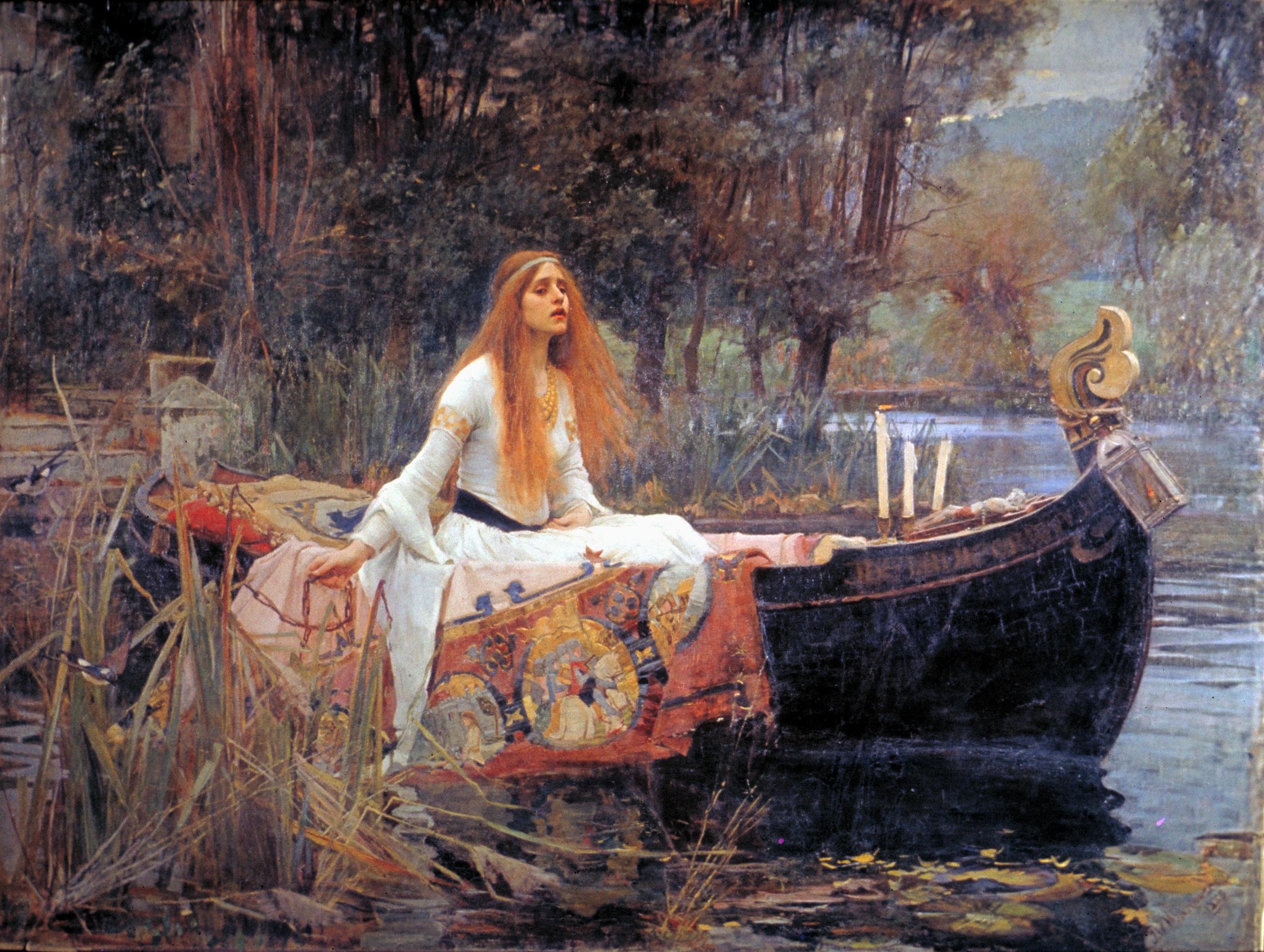 |
| Wikipedia: Sir Gawain and the Green Knight |
All of the topics above appeal to me because they are topics I already know and am interested in. African mythology on the other hand, is a topic I know almost nothing about. It appeals to me because I would be learning something new, and I would get to explore a storytelling style and culture that I am ignorant of.
Research so far:
I looked over the title listed under the African Unit in the Untextbook. I looked mostly at the South African Folktale, and I even read the first story listed under the Unit A reading. The Lost Message is a story that so far, focuses on an anteater, and Animal native to Africa.
Subscribe to:
Posts (Atom)